

Introduction Photo for Retouching:
Photo for Retouching in the modern digital era, images dominate nearly every aspect of our lives — from glossy magazine covers and advertising campaigns to Instagram feeds and online portfolios. Yet, behind many of these visually perfect images lies an invisible hand: photo retouching. This art, which blends creativity and technical skill, has evolved from a niche craft into a fundamental component of visual communication. But as it grows more powerful, so does the debate surrounding its impact on authenticity, beauty standards, and truth.
A Brief History of Photo For Retouching
Photo retouching did not begin with Photoshop. In fact, it dates back to the early days of photography in the 19th century. Photographers would manipulate negatives using brushes, pencils, and chemical techniques to enhance portraits or remove imperfections. Even during the early 1900s, retouching was common practice among portrait studios that aimed to flatter their subjects and achieve idealized results.
With the advent of digital technology in the late 20th century, retouching transformed dramatically. The introduction of Adobe Photoshop in 1990 revolutionized the industry, providing photographers and graphic artists with unprecedented control over every pixel. Suddenly, what once took hours in a darkroom could be accomplished in minutes with a mouse click. Today, sophisticated software like Lightroom, Capture One, and Affinity Photo allow for seamless corrections, from subtle touch-ups to complete transformations.
The Purpose and Power of Retouching:
At its core, photo retouching serves several purposes: correction, enhancement, and creativity.
- Correction involves fixing technical flaws such as exposure, white balance, and color inconsistencies. It also includes removing dust spots, blemishes, or distractions that detract from the main subject.
-
Enhancement and Photo for Retouching:
- aims to improve the overall aesthetic quality — refining skin texture, adjusting contrast, or balancing tones to evoke a particular mood.
- Creative retouching, on the other hand, ventures into artistic territory. It includes surreal composites, fantasy portraits, and imaginative transformations that go beyond realism.
In professional photography, especially in fashion, advertising, and beauty industries, retouching is an essential step. It ensures that images align with brand identity and visual standards. For instance, an advertisement for skincare products might use retouching to emphasize smooth, luminous skin — symbolizing the product’s promise of transformation.
Techniques and Tools of the Trade and Photo for Retouching
Retouching requires not just artistic sense but also technical precision. Professionals rely on a combination of software tools and manual techniques to produce natural and polished results.
-
Healing and Cloning Tools:
- These are used to remove imperfections like acne, wrinkles, or unwanted objects while maintaining texture consistency.
-
Frequency Separation Photo for Retouching:
- A popular method in portrait retouching, it separates color (low frequency) and texture (high frequency), allowing fine control over skin smoothing without losing detail.
-
Dodge and Burn:
- Borrowed from traditional darkroom methods, this technique enhances highlights and shadows to add depth and shape to the subject’s features.
- Color Grading: Adjusting tones and hues to evoke a particular emotion or cinematic look — warm tones for nostalgia, cool tones for calmness, or desaturated palettes for drama.
- Liquify and Warping Tools: Used carefully, these tools adjust proportions, correct posture, or subtly reshape contours to achieve balance and symmetry.
Retouching isn’t about erasing reality — at least, not always. The best retouchers know when to stop. The goal is to enhance the subject’s natural beauty while maintaining texture, personality, and authenticity.
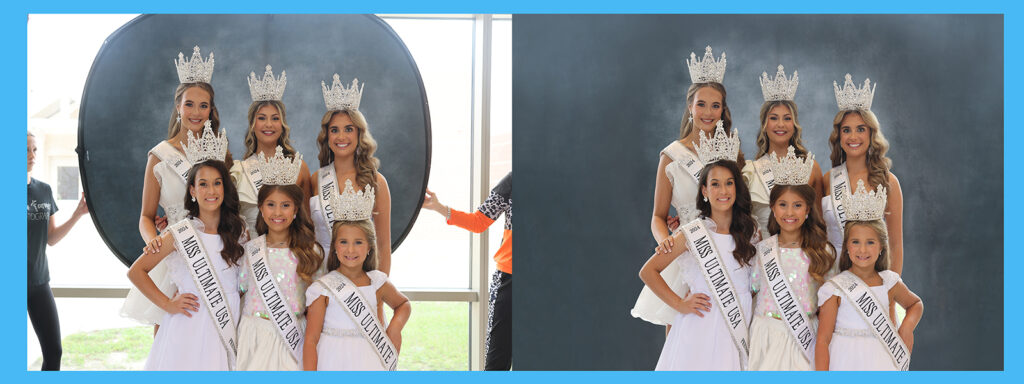
photo retouching
The Ethical Debate: Where Should We Draw the Line?
As retouching has become more accessible and powerful, ethical concerns have emerged. Critics argue that excessive manipulation distorts reality, promotes unrealistic beauty standards, and harms self-esteem, especially among young audiences. When models’ skin is flawless, waists impossibly slim, and features unnaturally symmetrical, viewers may internalize unattainable ideals.
In response, many media outlets and organizations have taken steps to promote transparency. For instance, France passed a law in 2017 requiring that commercial images featuring digitally altered body shapes include a “retouched photograph” label. Brands like Dove and Aerie have launched campaigns celebrating natural, unretouched beauty, emphasizing self-acceptance over perfection.
Photo for Retouching in adobi photoshop work:
At the same time, it’s important to recognize that retouching is not inherently deceptive. When used ethically, it enhances the storytelling power of photography. A wedding photographer, for example, might remove a distracting background element to preserve the emotional focus on the couple. Similarly, a fashion editor might adjust lighting and tone to create a cohesive visual narrative. The challenge lies in finding a balance between artistic vision and truthful representation.
Photo for Retouching work in the Age of Artificial Intelligence:
Artificial intelligence (AI) is reshaping the world of photo editing faster than ever. Tools like Adobe Firefly, Luminar Neo, and Retouching for photo me use AI-driven algorithms to detect and correct imperfections automatically. Tasks that once required hours of manual labor — such as skin retouching or background removal — can now be performed in seconds.
AI-powered retouching has democratized the process, allowing beginners to achieve professional-quality results. However, it also raises new ethical and creative questions. As automation increases, does the art of manual retouching risk being lost? And as AI-generated content becomes indistinguishable from real photography, how do we preserve authenticity and trust?

Image Enhancer
Some professionals argue that AI should be viewed as an assistant, not a replacement. The human eye remains essential for nuance, emotion, and taste — qualities that no algorithm can fully replicate. The future of retouching, therefore, may lie in collaboration between human creativity and machine intelligence.
Striking a Balance: Authenticity in the Digital Age and Photo for Retouching
Ultimately, the conversation around photo retouching isn’t just about pixels or software; it’s about perception. Images have immense power to shape how we see ourselves and others. As photographers, editors, and consumers, we share responsibility for how that power is used.
Responsible Photo for Retouching respects the subject’s integrity while enhancing their best qualities. It acknowledges that perfection is not the absence of flaws but the harmony between realism and artistry. A well-retouched photo should not scream “edited” — it should simply feel right, as if captured in the best possible light.
In a world flooded with images, authenticity is becoming the new currency. Whether for commercial, editorial, or personal use, the goal of photo retouching should be to reveal truth through enhancement, not to disguise it.
Conclusion Photo for Retouching
Photo retouching is both an art and a moral compass for modern visual culture. From the darkrooms of the past to today’s AI-driven software, it continues to evolve, shaping how we define beauty, identity, and reality itself. The key to mastering it lies not just in technical skill but in intention — knowing when to enhance, when to correct, and when to let the image speak for itself.









Leave A Comment